
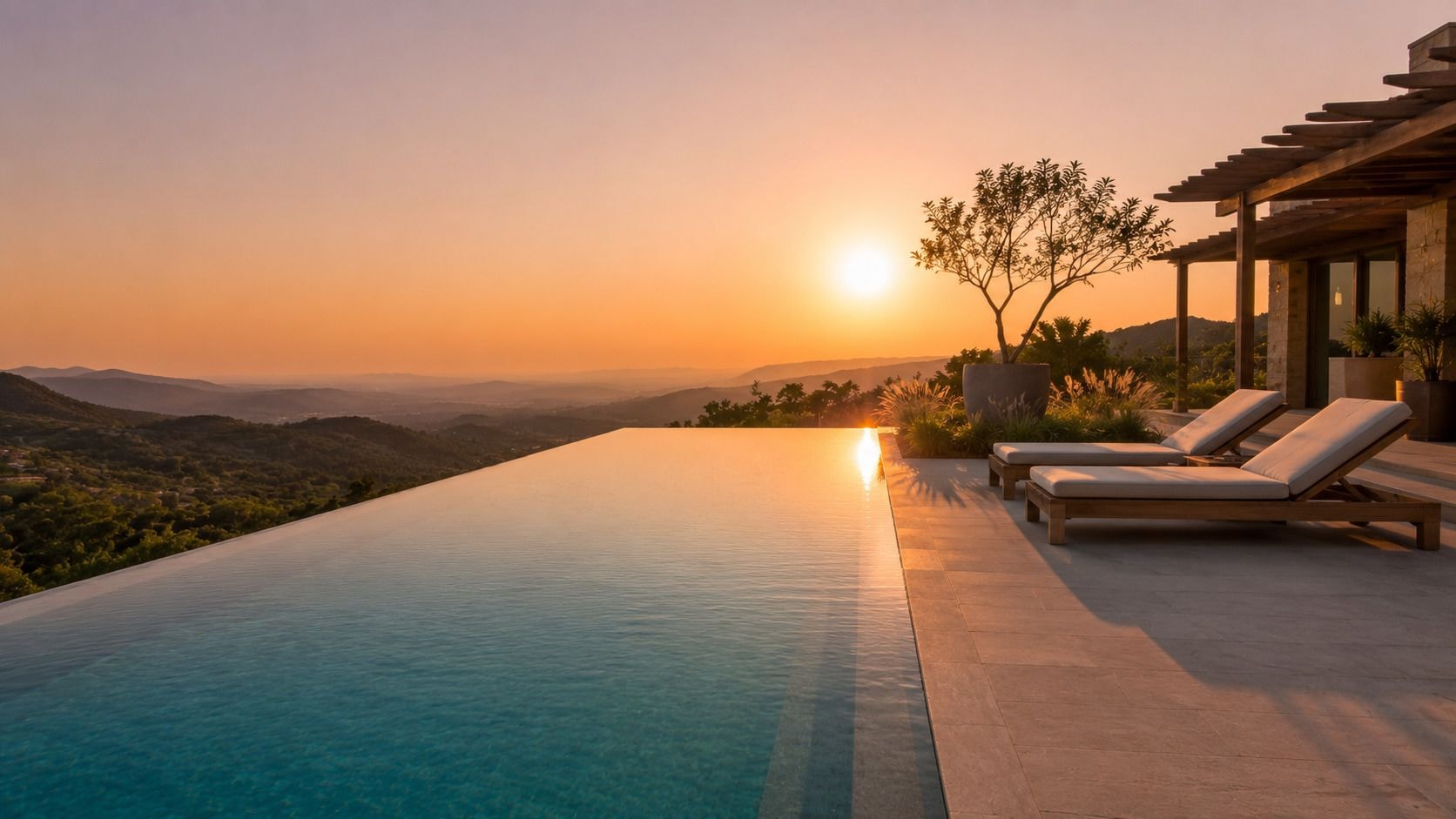
We build pool with trust.
The swimming pool is a place for rejuvenation, socialising and healthy family time. We are the key equipment suppliers and project managers for residential as well as commercial pools, and our philosophy is simple — build each pool as if it is going in our own backyard.
We care about creating a pleasant, comfortable and safe experience for our clients. To ensure that, our pools use the latest technologies available across the globe.
Six ways to put
water where you want it.
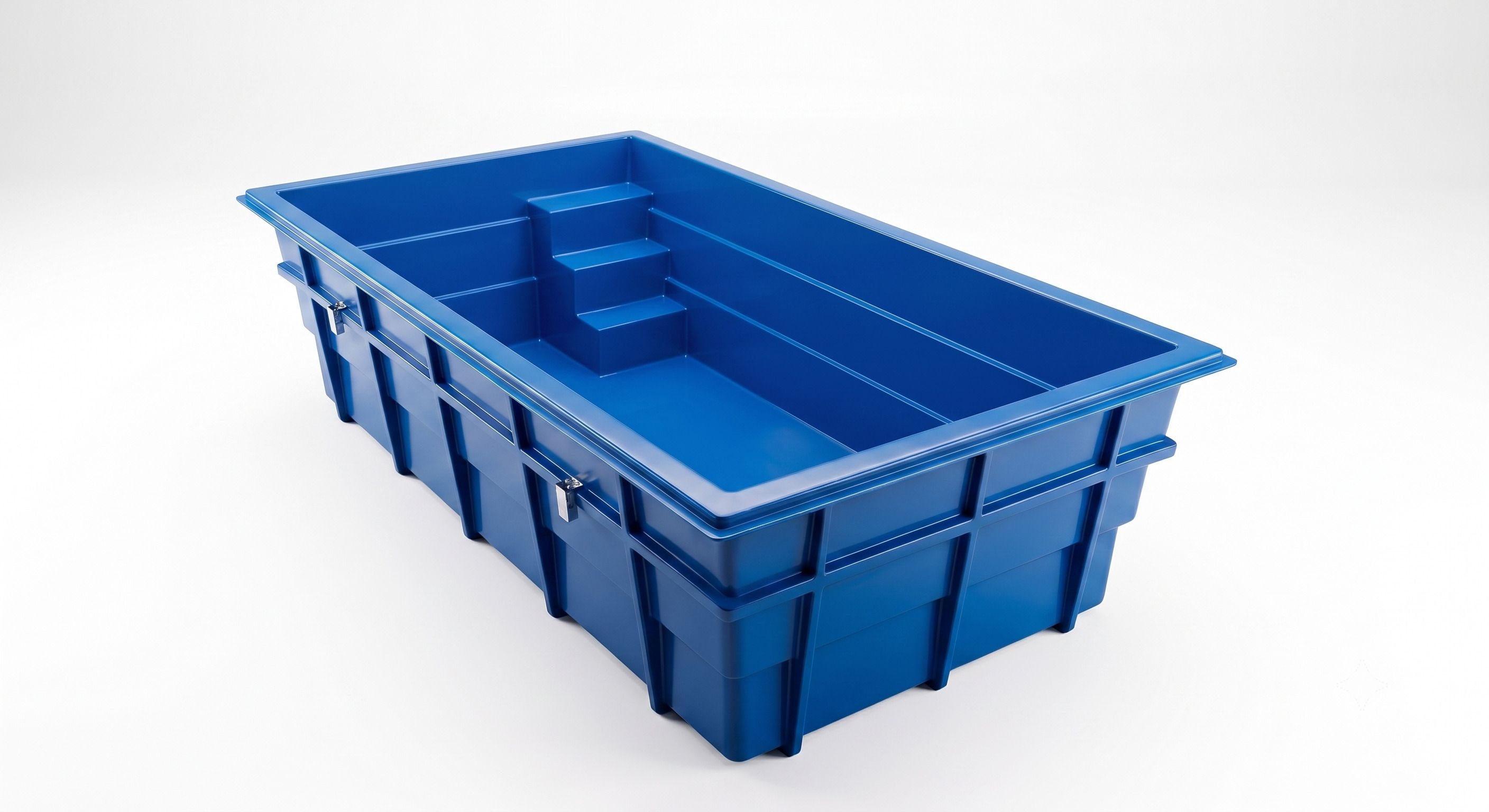
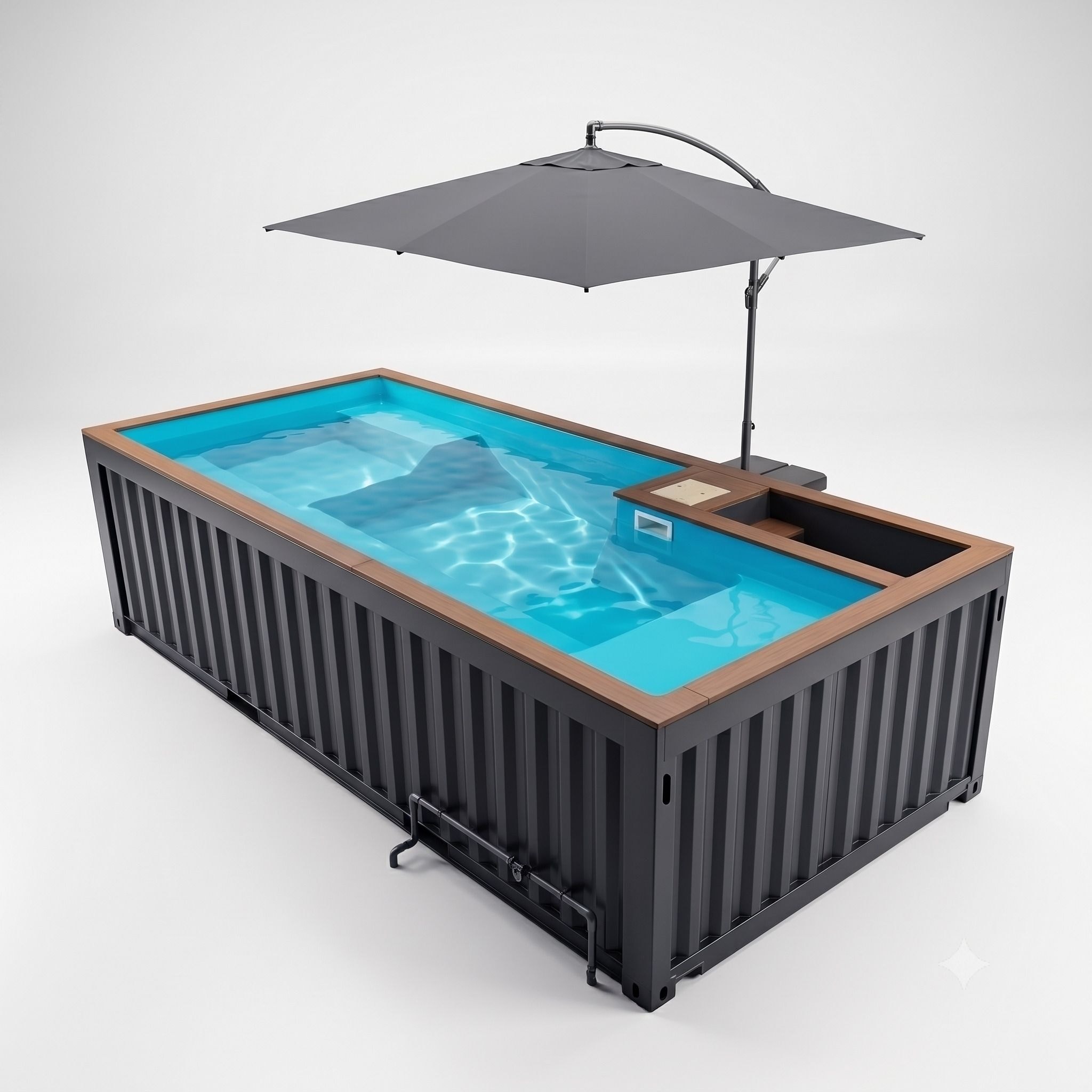
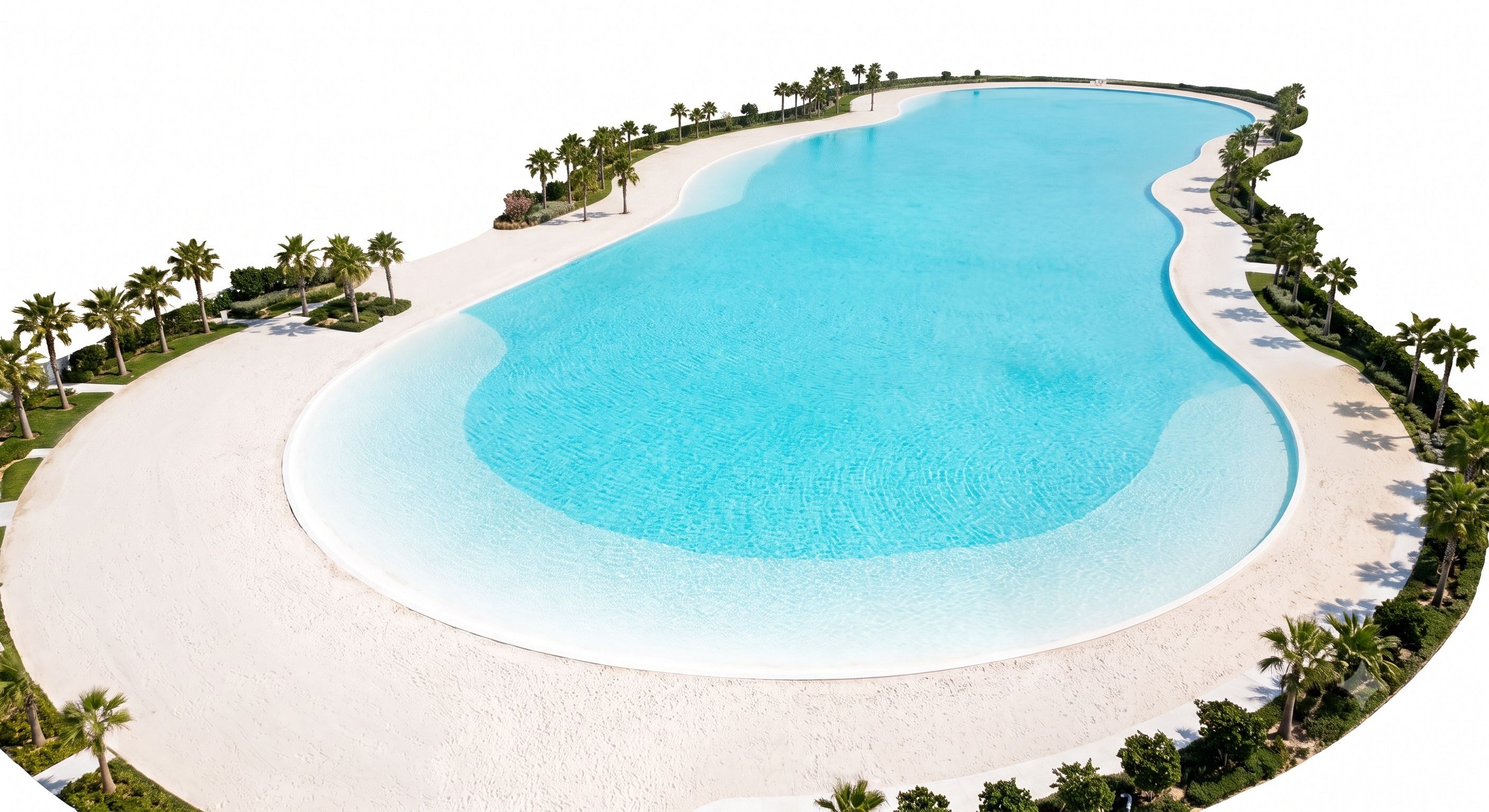
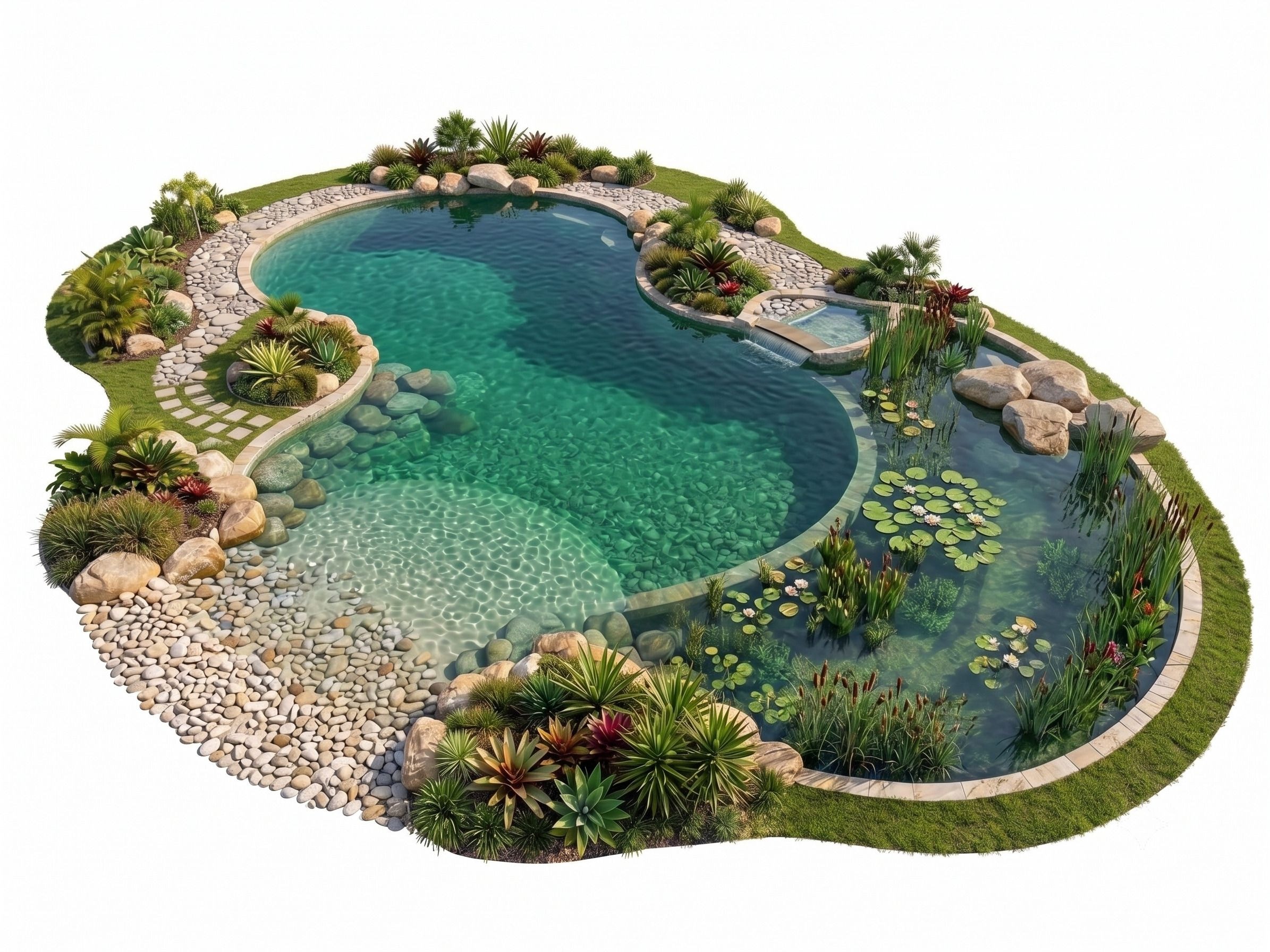
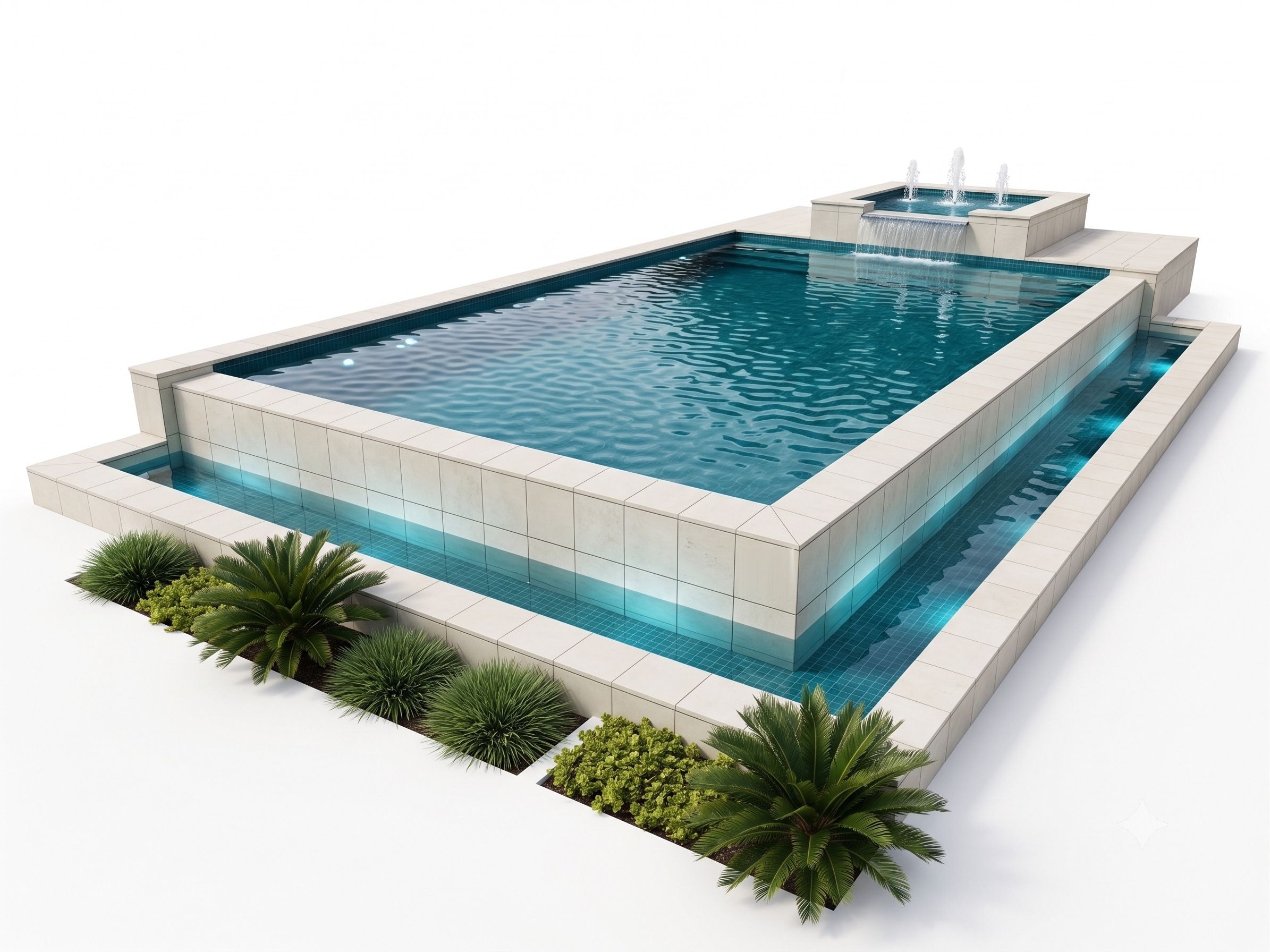
Ground conditions, access, programme and budget decide the answer as much as taste does. Each type below opens onto its full specification.
Three ways to keep
the water moving.
Dust and debris find their way into a pool through wind and through bathers. The filtration system is what removes it, and choosing the right circulation type at design stage decides how the pool behaves for the rest of its life.
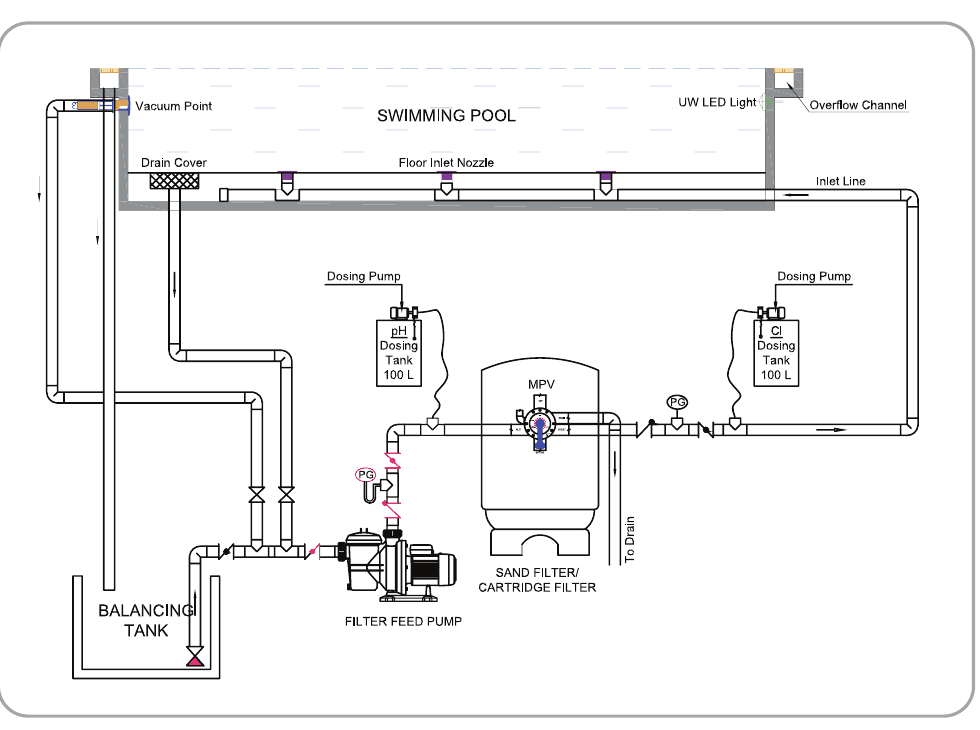
Overflow Type
Water spills continuously over the pool edge into a perimeter channel and returns via a balancing tank. The cleanest surface water and the most striking visual finish — the specification behind every infinity edge.
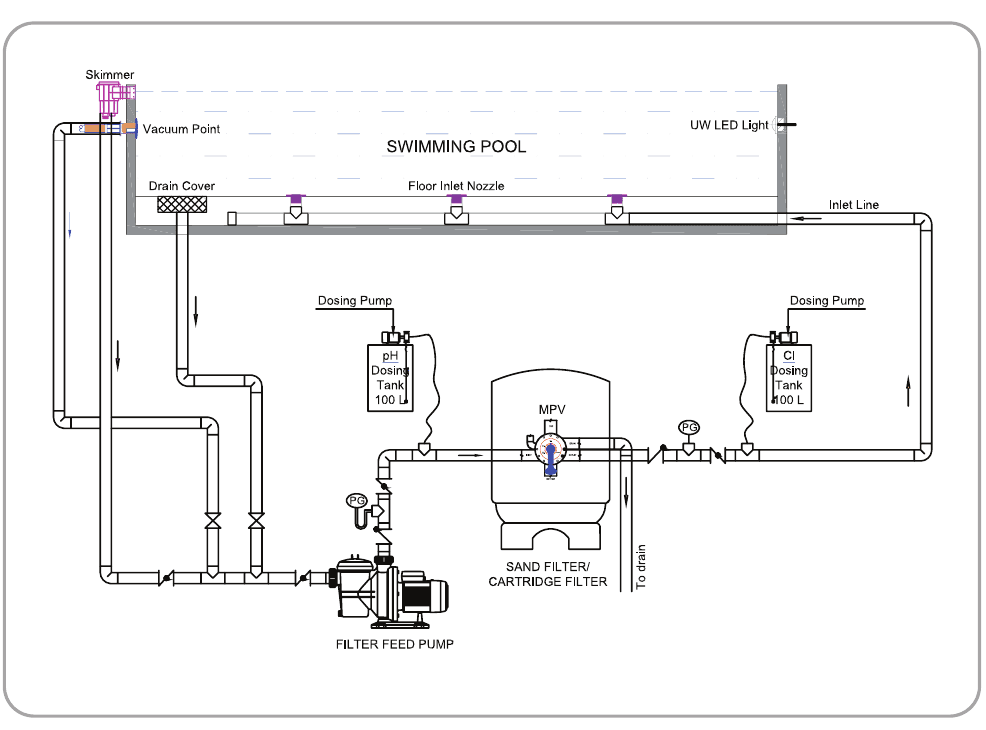
Skimmer Type
Surface water is drawn through skimmers set into the pool wall, with no balancing tank required. Lower construction cost and a smaller plant footprint, making it the practical choice for most residential pools.
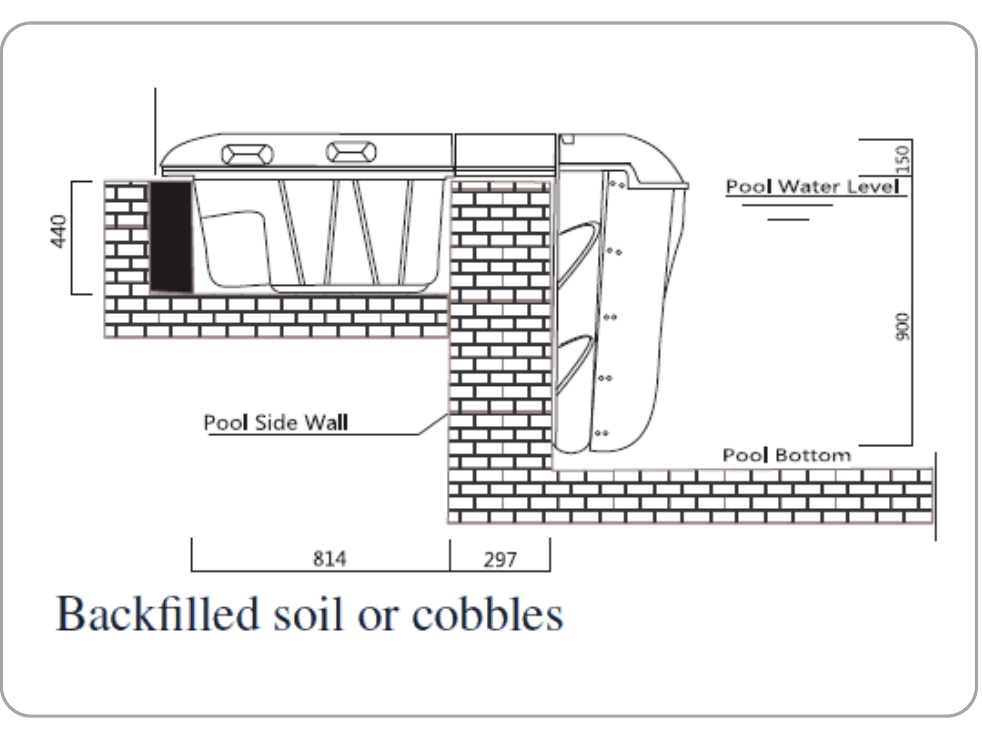
Pipeless Filter
A self-contained filtration unit mounted on the pool wall, with no buried pipework and no separate plant room. Ideal for compact sites, rooftop pools and retrofits.
Water chemistry,
handled automatically.
Clear water is a chemistry problem before it is a plumbing problem. We specify dosing and disinfection together so the pool holds its balance without anyone standing over it.
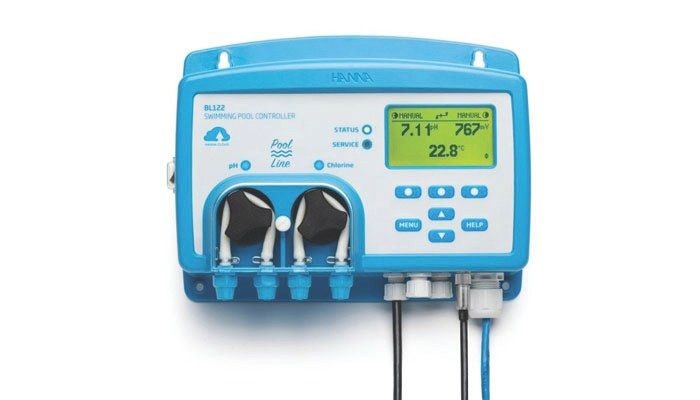
Automatic Dosing System
Probe-controlled dosing reads pH and chlorine continuously and corrects them in real time, holding balance without manual testing.
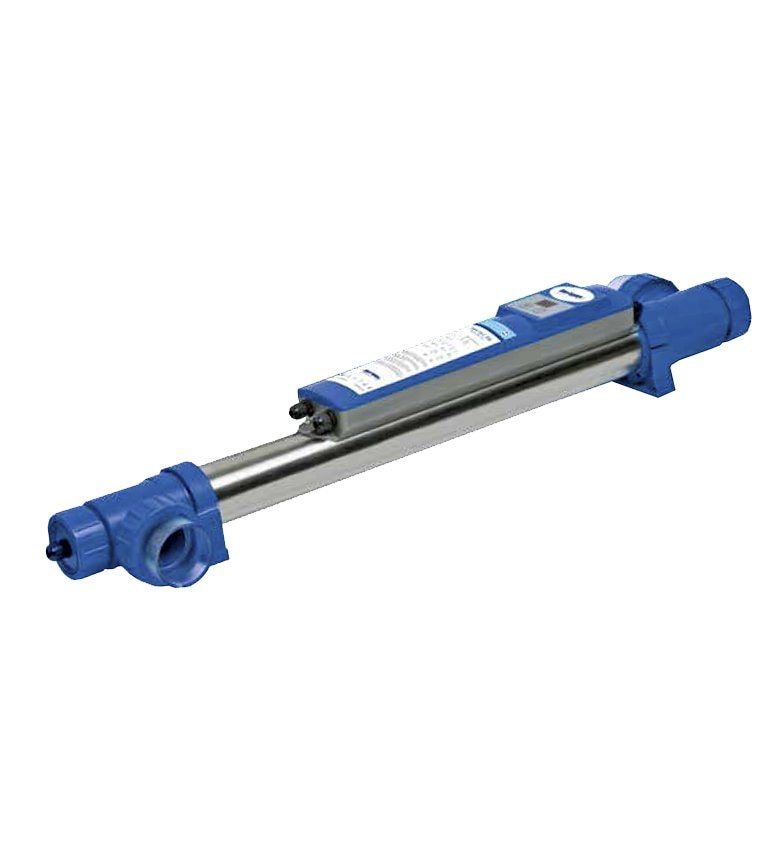
UV System
Ultraviolet light neutralises bacteria and chloramines as water passes through, cutting chlorine demand and the eye and skin irritation that comes with it.
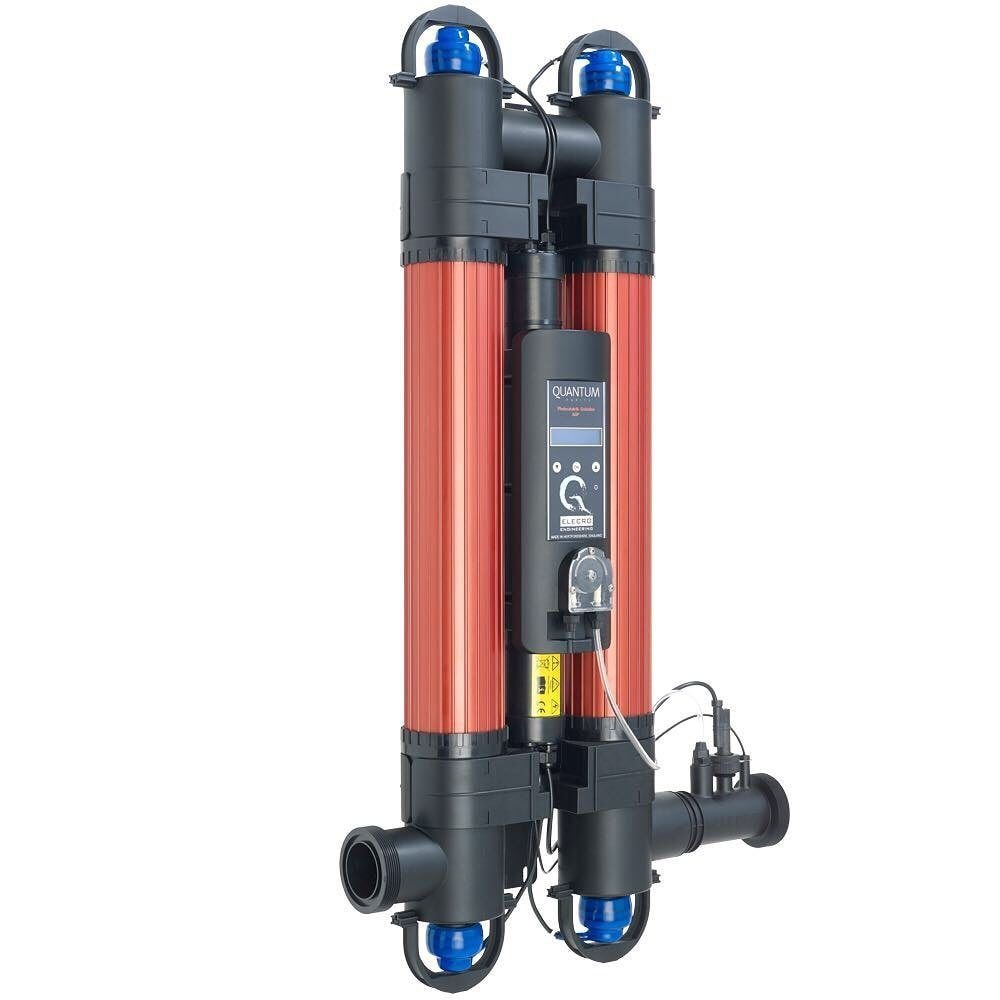
Quantum
Photocatalytic oxidation destroys pathogens and organic load without adding chemicals to the water.
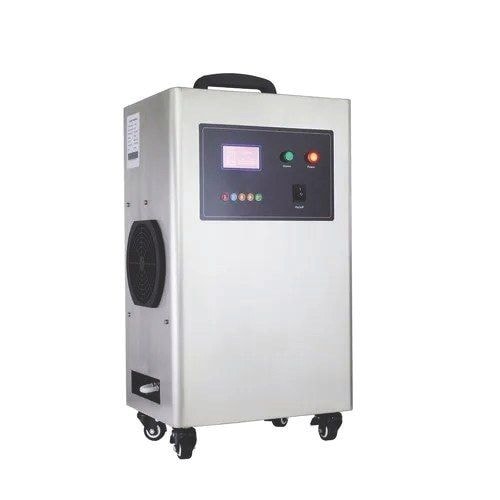
Ozonator
Ozone oxidises contaminants far faster than chlorine and leaves no chemical residue or by-product behind.
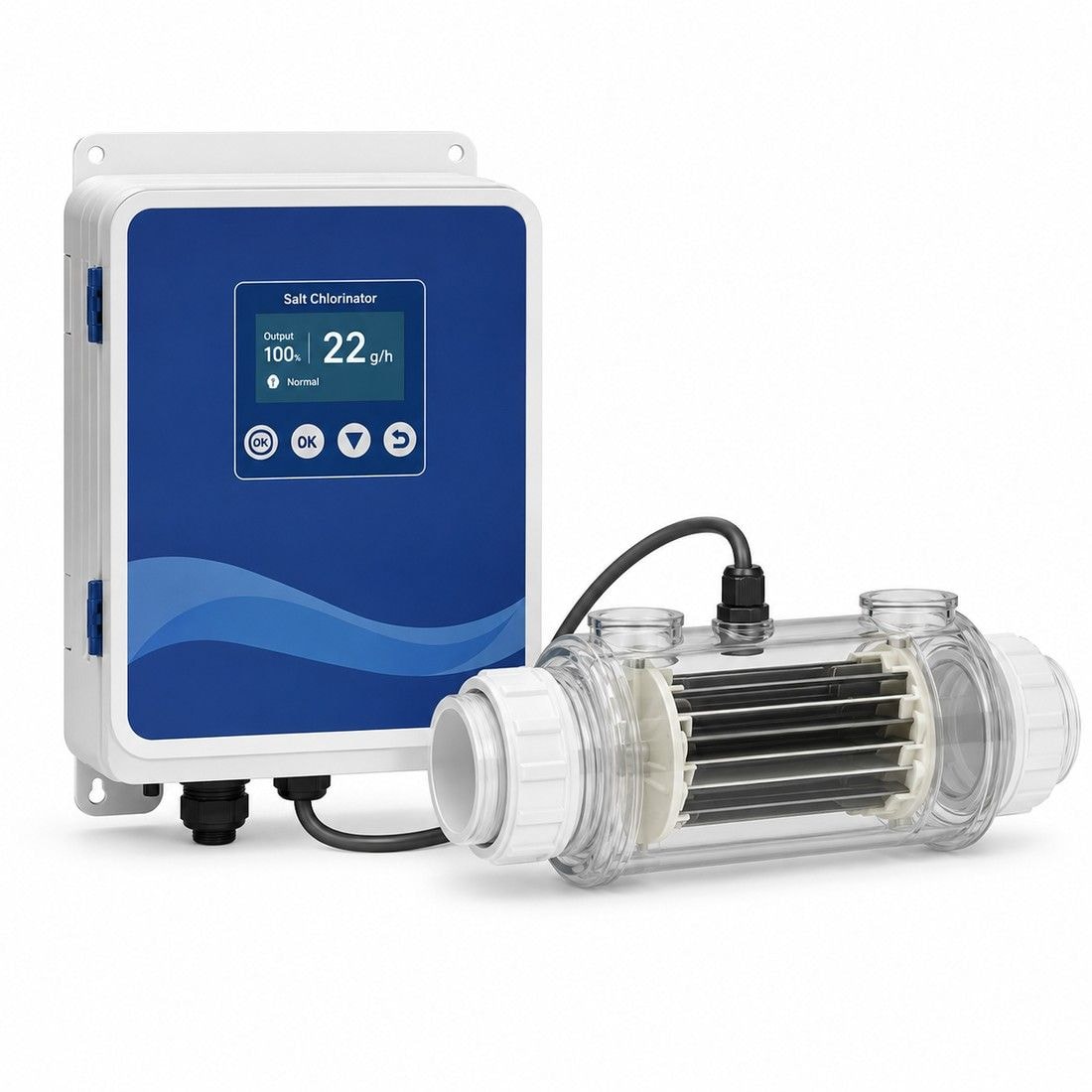
Salt Chlorinator
A salt cell generates chlorine on demand from dissolved salt, so the pool sanitises itself and no one handles or stores chlorine on site.
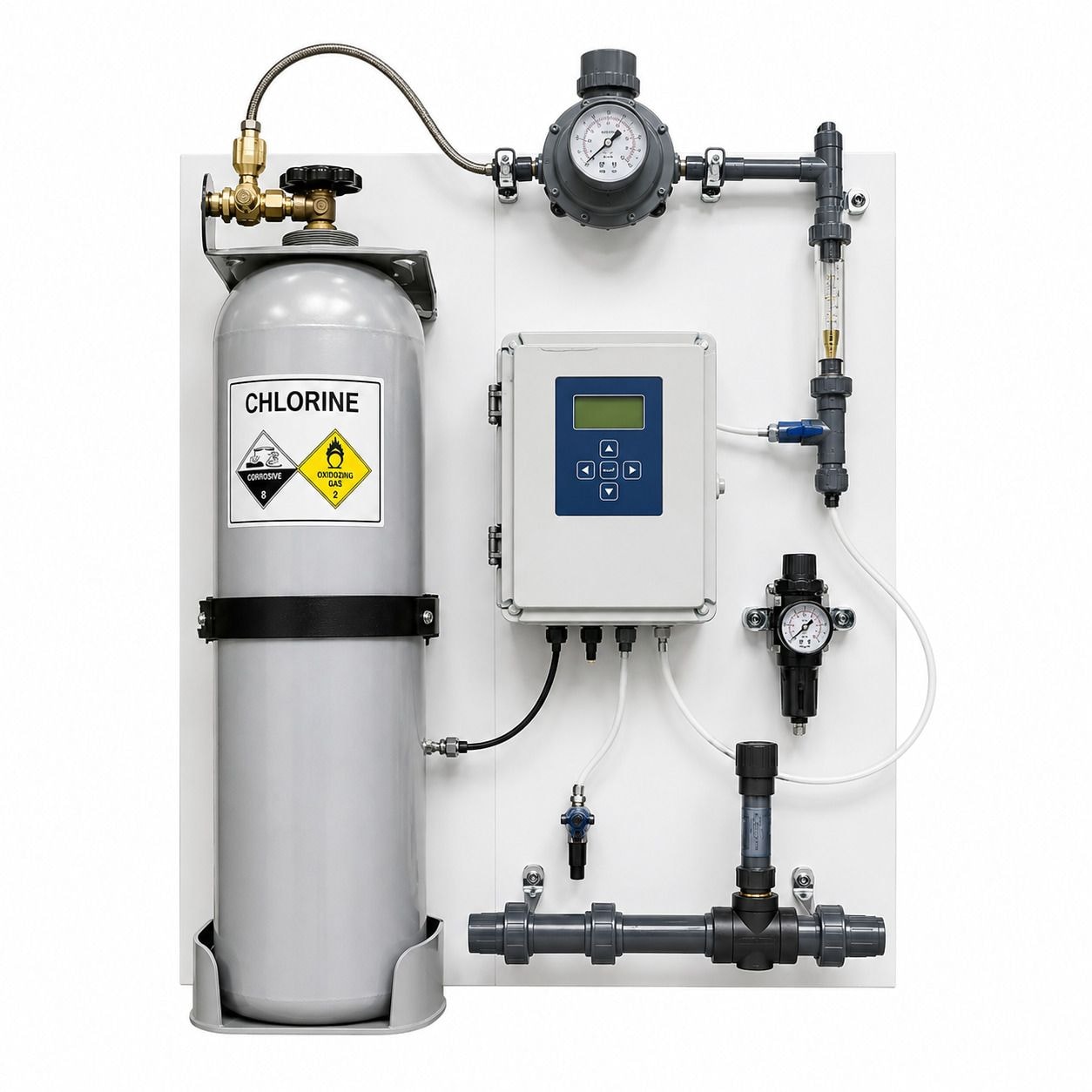
Gas Chlorination
Controlled chlorine dosing provides reliable disinfection for larger pool systems, with vacuum-based delivery designed for safe, precise and consistent water treatment.
A swimming season
that does not end.
Heating turns a pool from a summer amenity into a year-round one. We size the system against daily load, peak demand and the site itself rather than fitting a catalogue number.
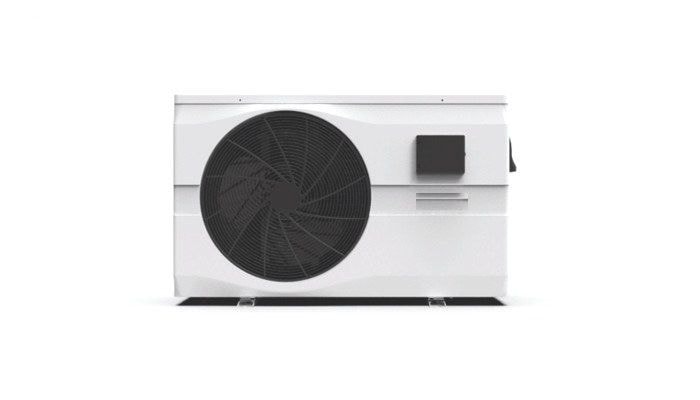
Heat Pump
Draws heat from ambient air rather than generating it, delivering water up to 75 °C and saving 75–80% against conventional heating.
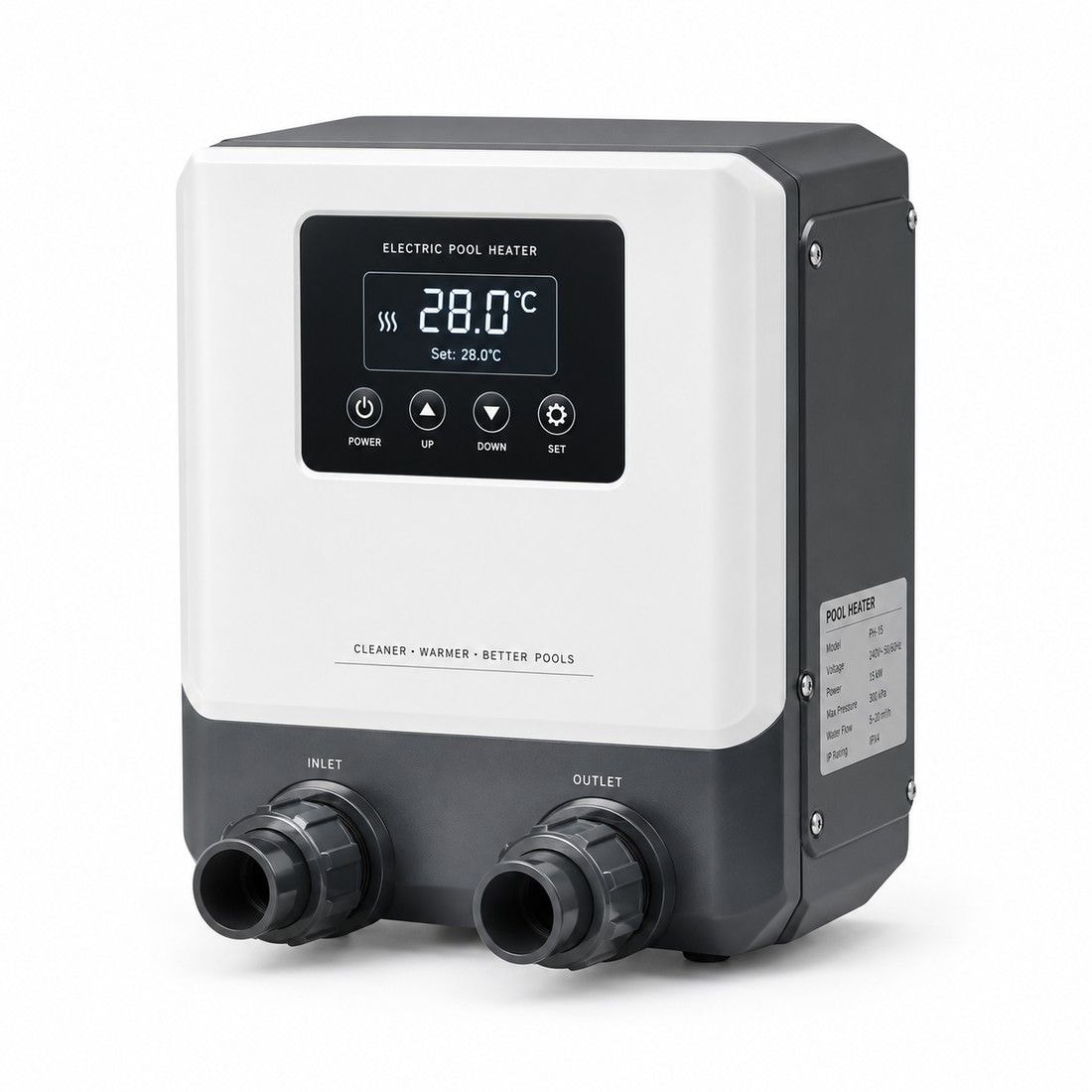
Heater
Direct electric or gas heating for fast recovery and for installations where a heat pump cannot meet the peak load alone.
The machinery behind
a clear pool.
Beyond the filtration, disinfection and heating already covered, a working pool needs the equipment that keeps it clean, lit and protected day to day. We supply and fit the whole range, and we service what we supply.
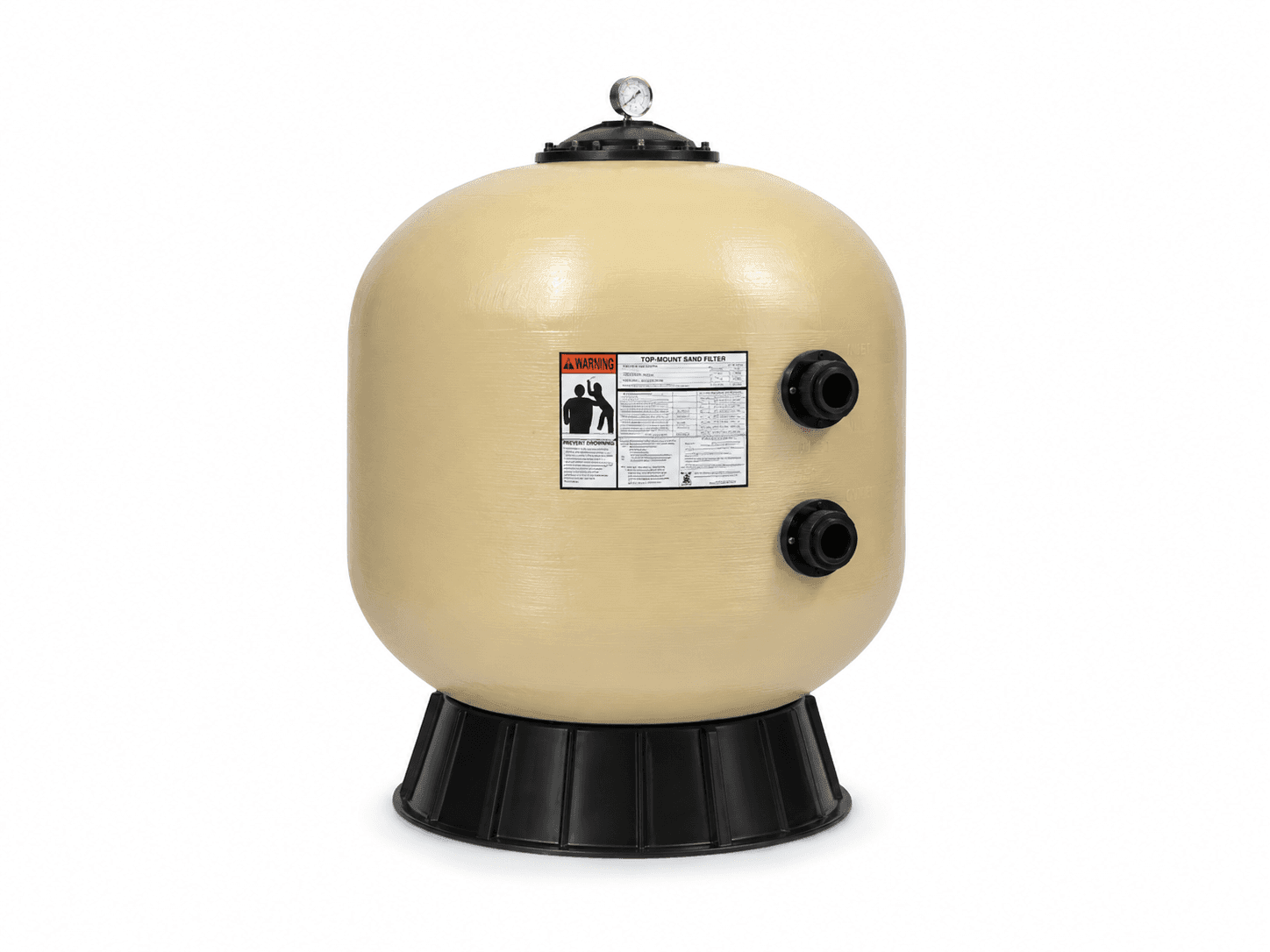
Swimming Pool Filters
Sand and cartridge pressure filter vessels, sized to the pool volume and the turnover rate the circulation design calls for.
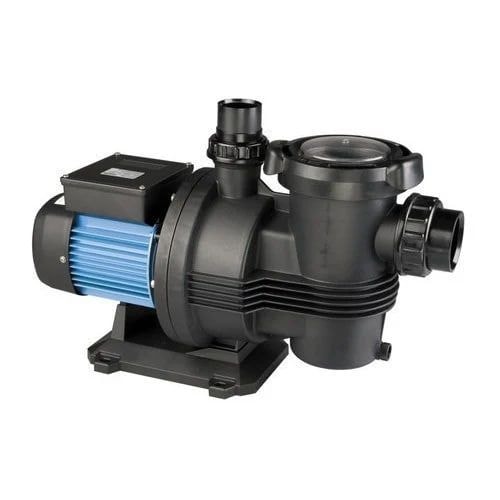
Swimming Pool Pump
The circulation pump that moves the whole pool through the filter. Sized to the turnover the pool needs, in single and variable speed.
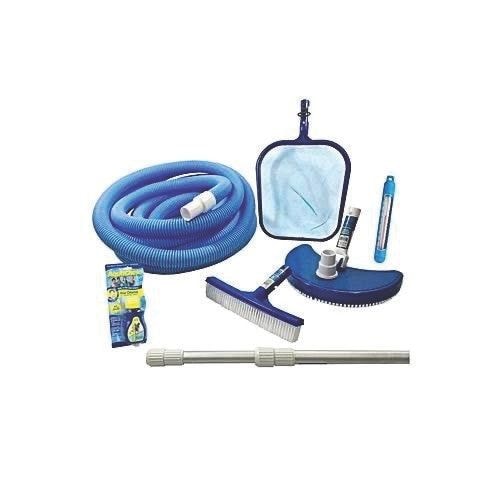
Cleaning Accessories
Vacuum heads, hoses, leaf skimmers, brushes and telescopic poles for routine upkeep.
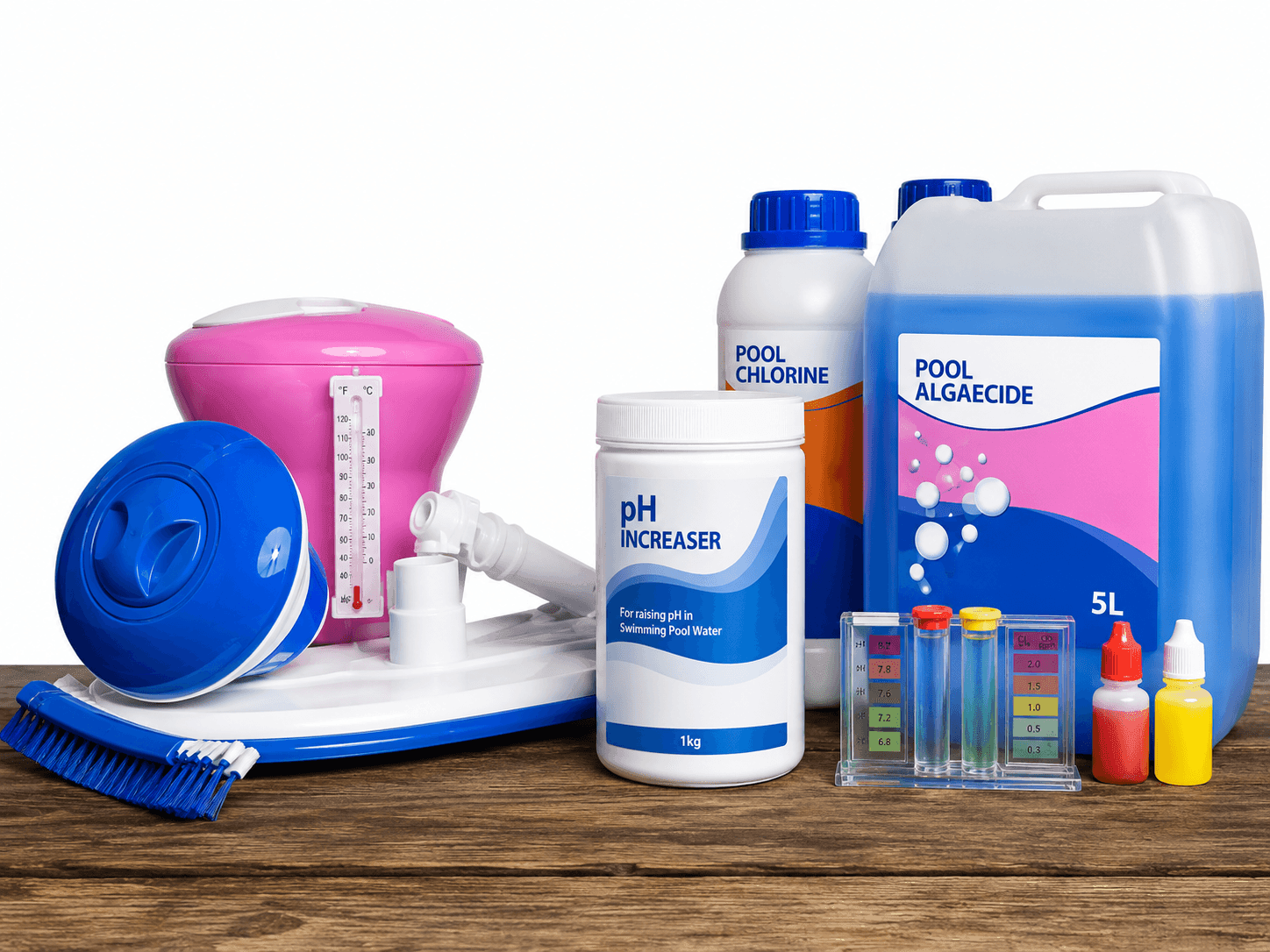
Swimming Pool Chemicals
Chlorine, pH correctors, clarifiers, algaecides and test kits for day-to-day water care.
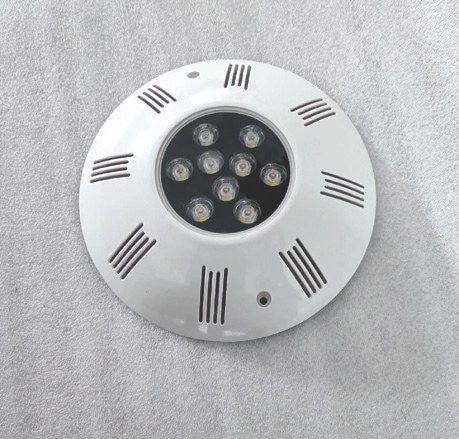
Underwater Light
Sealed LED fittings, including colour-changing units, for atmosphere once the sun goes down.
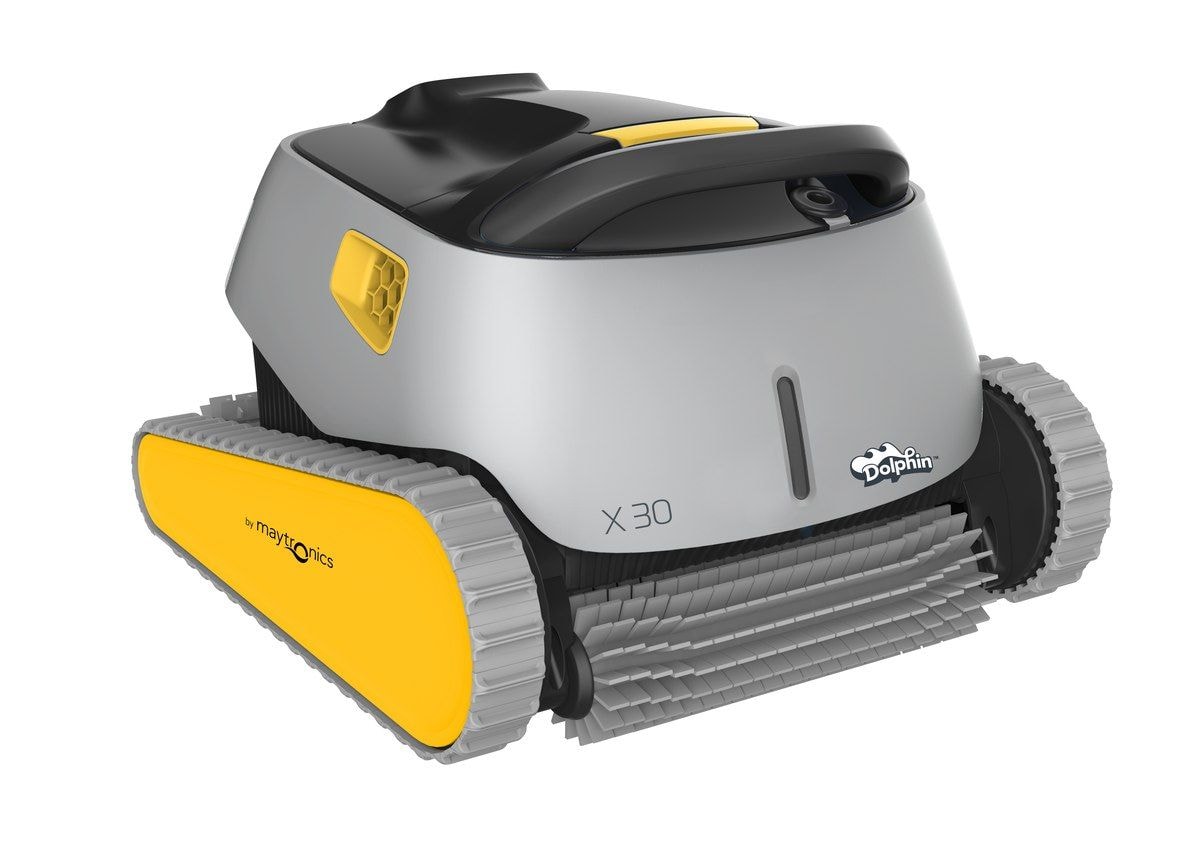
Robotic Pool Cleaner
Automatic cleaners that scrub floor, walls and waterline unattended.
One welded sheet,
and not a grout line in it.
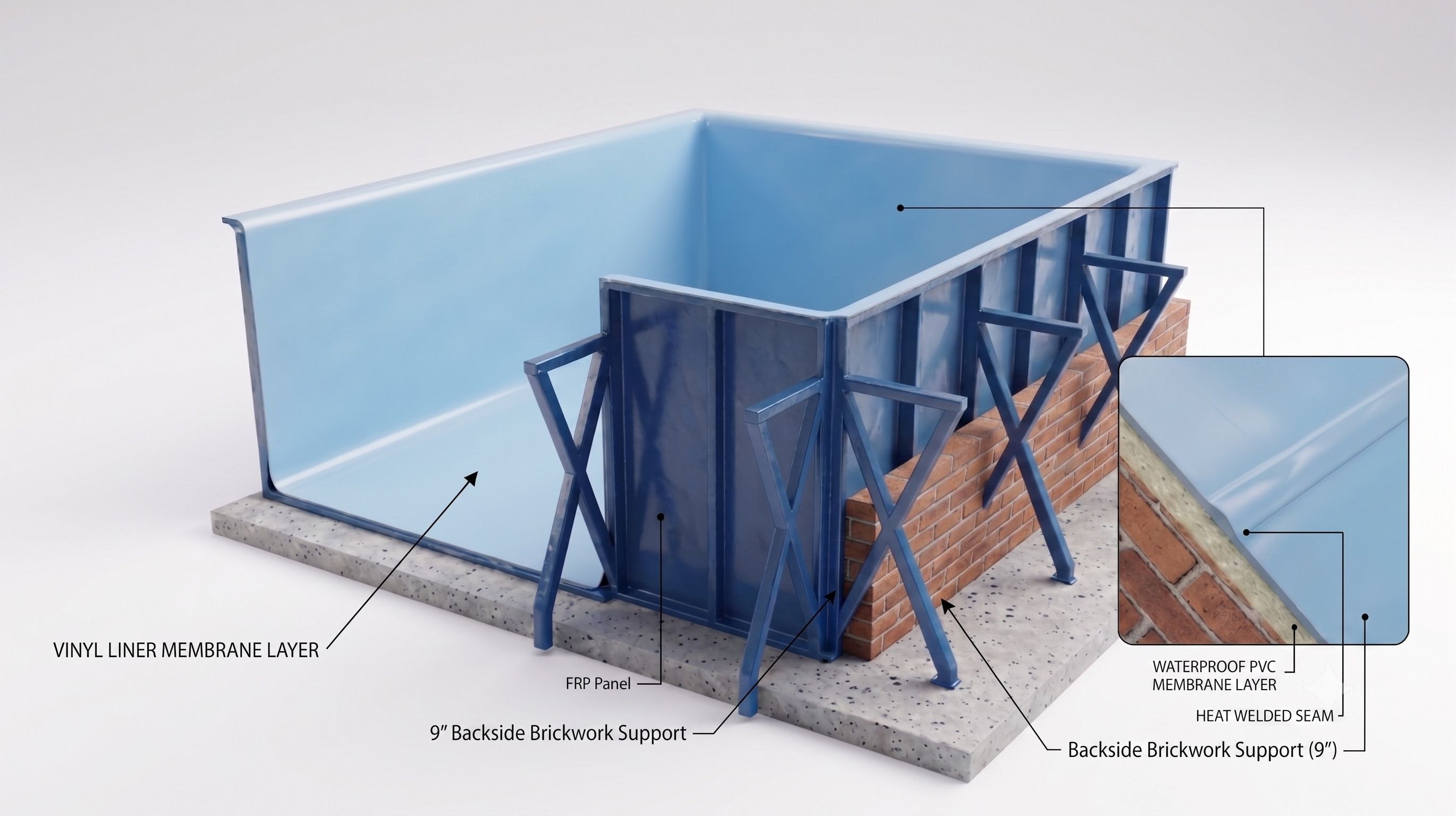
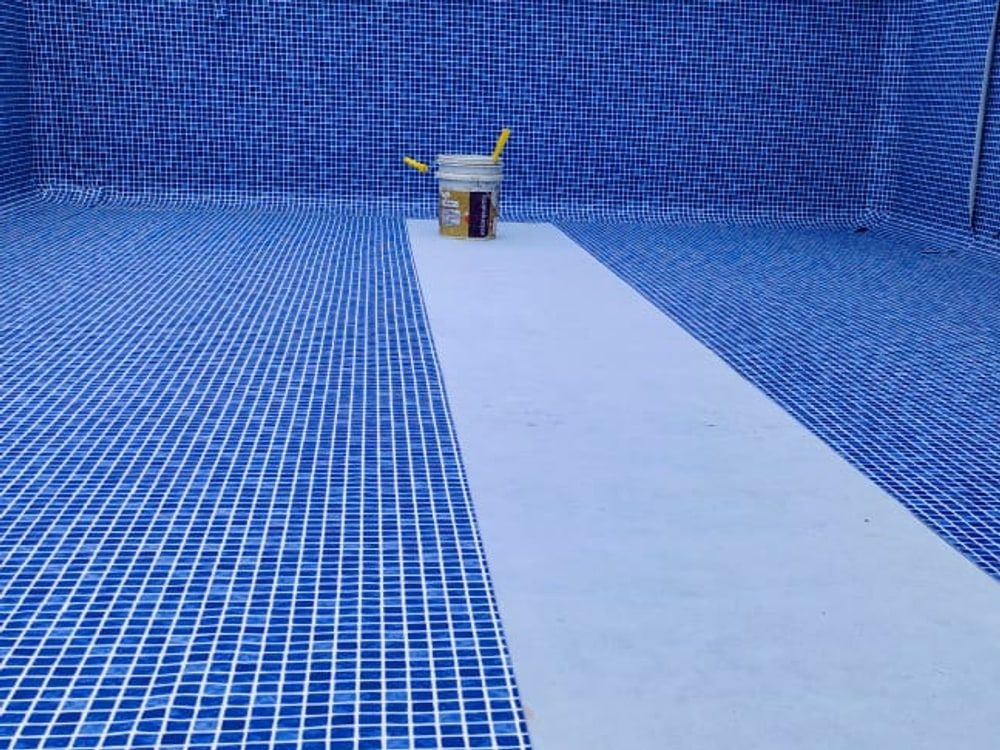
A reinforced PVC liner is the waterproofing and the finished surface at the same time. It is welded on site over a geotextile layer, so the pool it lines has no tiles to lift and no grout to stain — and the shape it takes is whatever the shell underneath it is.
What keeps the heat in
when nobody is swimming.
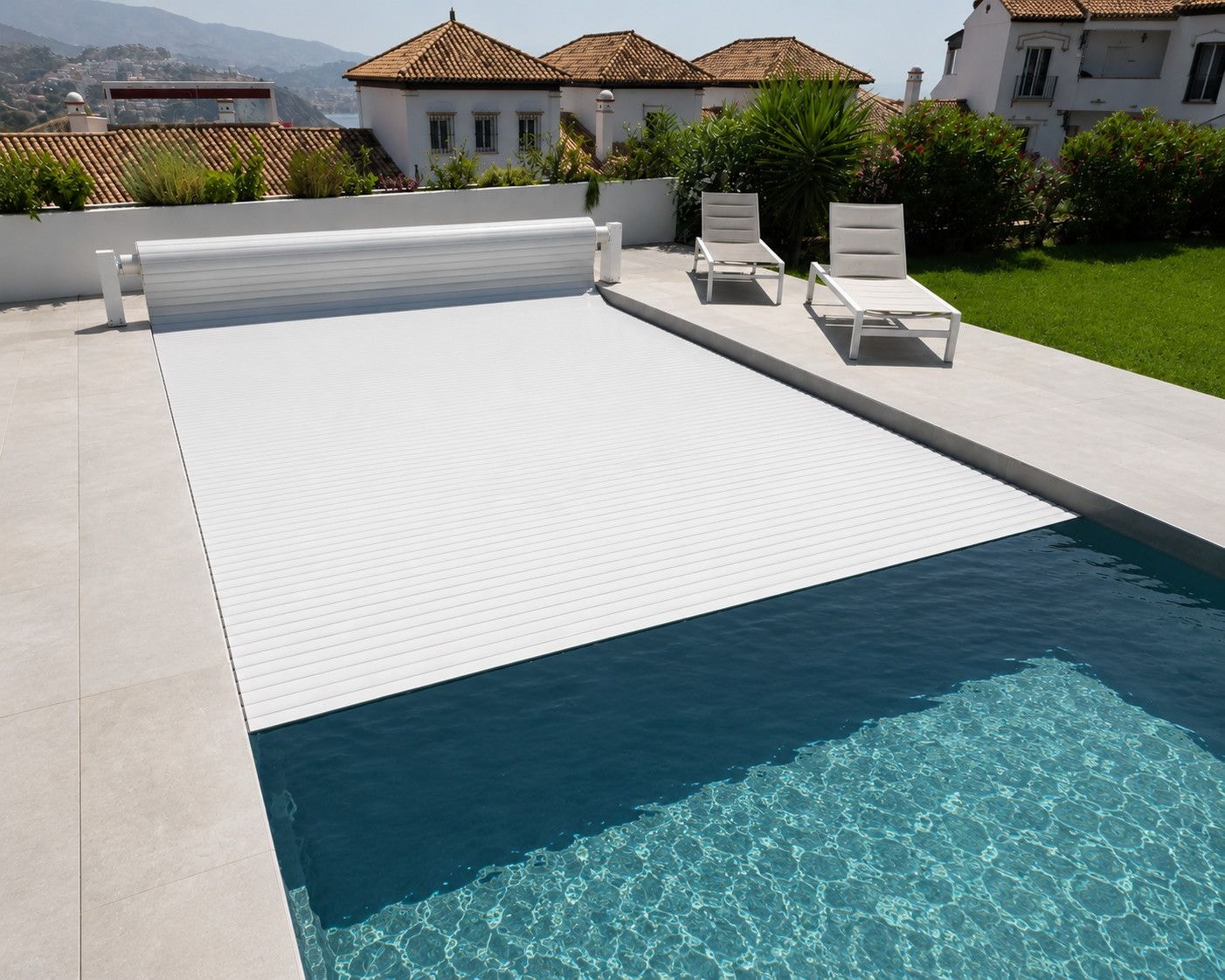
A pool loses most of its heat off the surface, and most of its water with it. A cover is the one accessory that pays for itself: less evaporation, less heating, less chemistry, and nothing blowing in overnight.
Ten ways to put
water in motion.
We design captivating aquatic masterpieces that elevate any environment, from elegant fountains to mesmerising water walls.
Waterfall
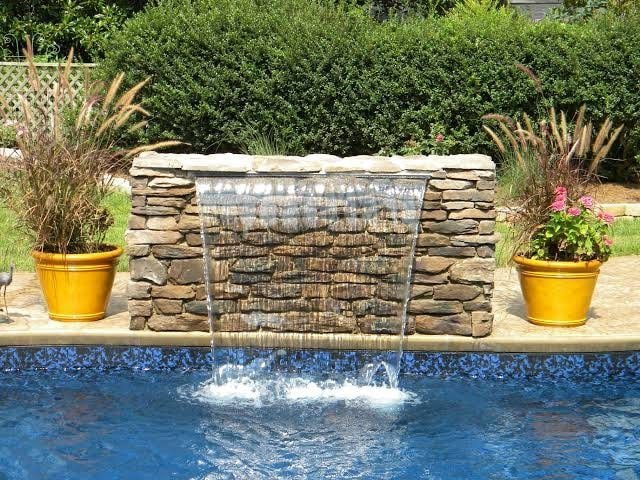
A sheer wall of water over stone or tile — the classic garden centrepiece, and the easiest way to bring sound into a space.
Rain Curtain
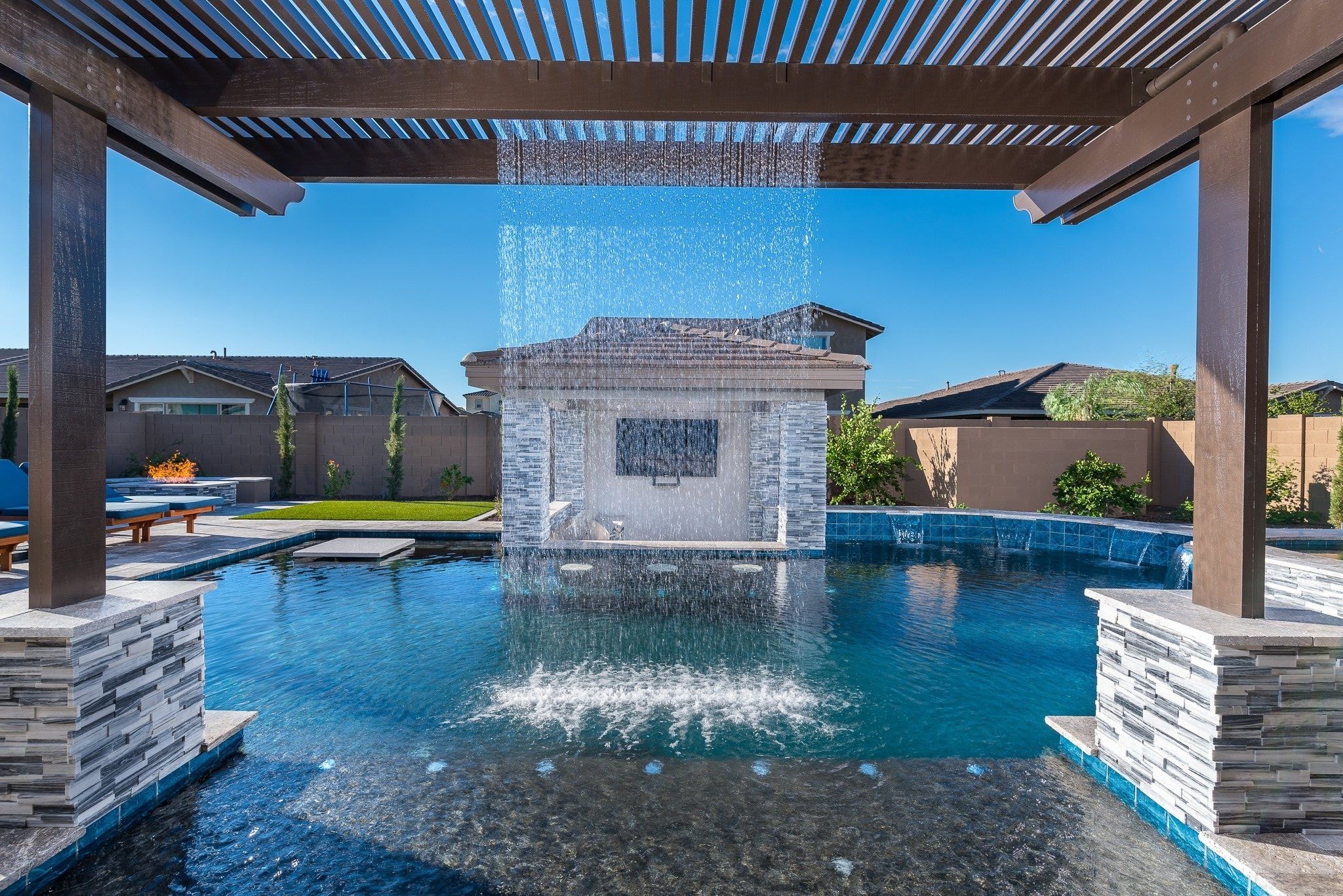
A continuous sheet falling from a pergola or canopy, forming a moving wall of water you can walk behind.
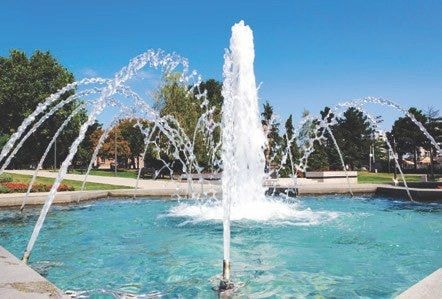
Single Jet
One vertical column of water. The simplest fountain there is, and still the most versatile.
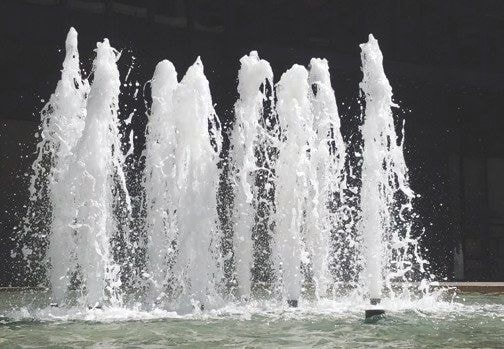
Cascade Jet
Aerated white jets in a row that read as foaming columns rather than clear water — highly visible after dark.
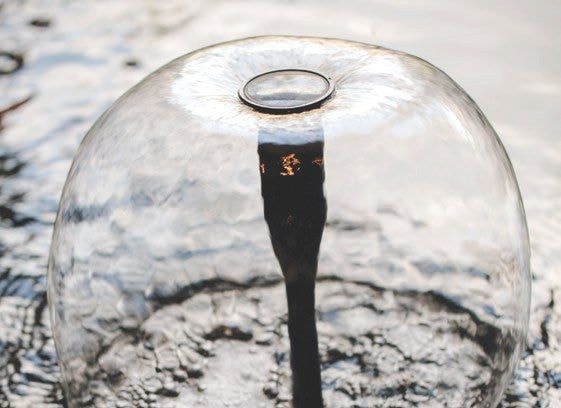
Bell Jet
Water forms a smooth glass-like dome. Silent, sculptural and mesmerising at close range.
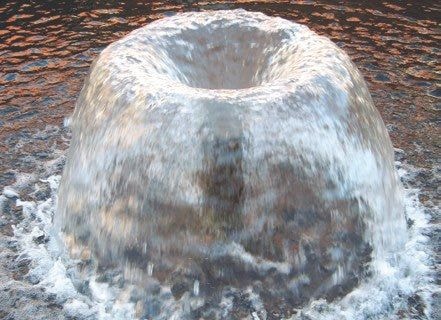
Tulip Jet
A flared tulip of water that opens as it rises, giving movement without spray drift.
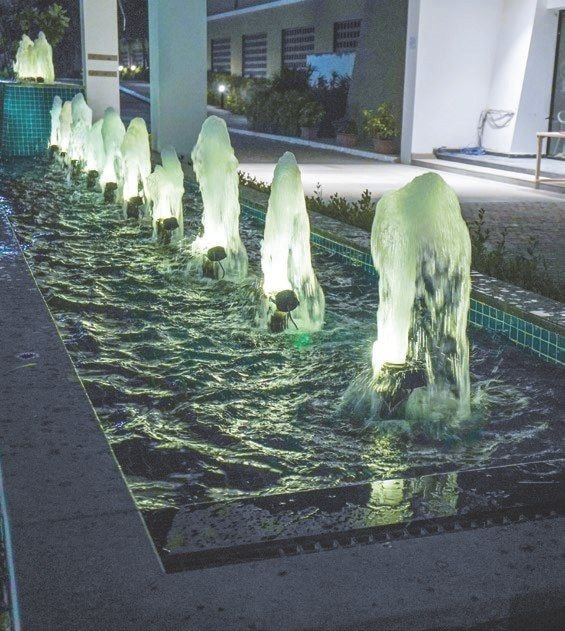
Foam Jet
Heavily aerated white foam columns, robust in wind and dramatic under coloured lighting.
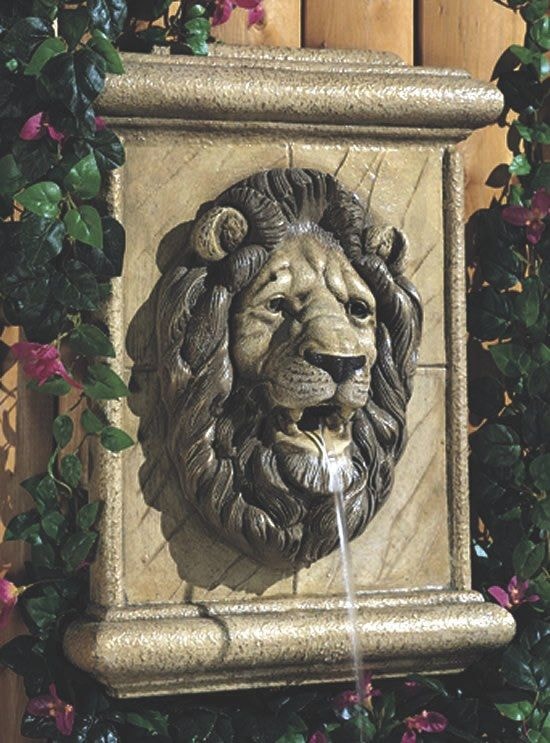
Spout Fountain
A wall-mounted spout — lion heads, sculpted masks or contemporary scuppers — feeding a basin or pool below.
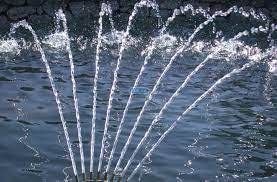
Finger Jet
A fan of fine arcing streams crossing over each other, forming a moving lattice of water.

Mist Water Feature
Ultra-fine atomised mist that cools the air and softens the light, often catching a rainbow in sun.
Before you
break ground.
Which pool type suits my site best?
It comes down to ground conditions, access, timeline and budget. FRP is fastest and needs no tiling; RCC gives complete freedom of shape; a container pool avoids excavation altogether. We survey the site and recommend rather than sell a default.
What is the difference between overflow and skimmer filtration?
An overflow pool spills water over the full perimeter into a channel and balancing tank — the cleanest surface and the look you see on infinity pools. A skimmer pool draws water through wall-mounted skimmers with no balancing tank, which costs less to build and needs less plant space.
How long does construction take?
A prefabricated FRP or container pool can be commissioned in a matter of weeks. An RCC pool takes longer because the structure has to cure before finishing. We confirm a programme after the site survey.
Do you maintain the pool after handover?
Yes. We offer annual maintenance contracts covering water chemistry, filtration servicing, equipment checks and consumables, so the pool stays in the condition it was handed over in.
Can a pool be heated year-round?
Yes. A heat pump draws warmth from ambient air and can hold water temperature through winter while using far less energy than direct heating — typically saving 75–80% on heating costs.
Tell us about
your pool.
Send the plot drawing, the brief, or just a question. We survey the site, recommend a construction and filtration type, and quote against it.